 +91 9926520003
 sales@shahifood.in
 Delivery Charges : ₹199



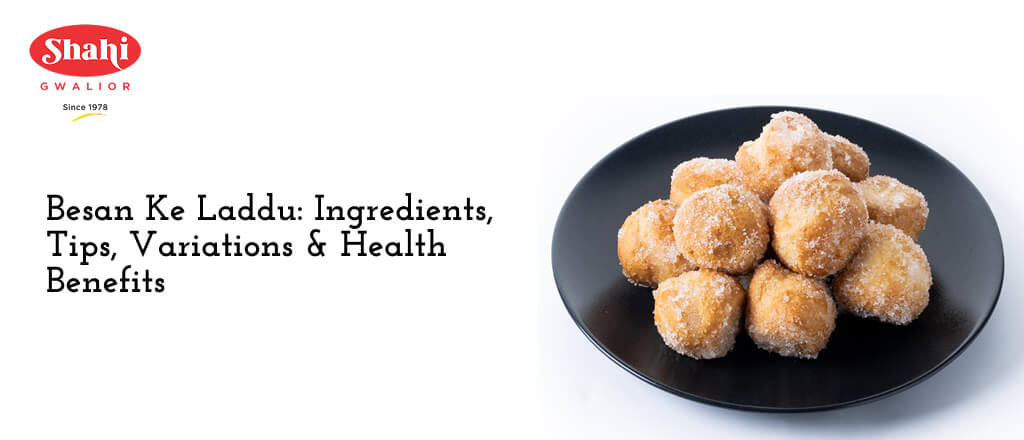
One of the most loved traditional Indian sweets is Besan ka laddu. Known famously for its rich aroma, a nutty flavour, and a melt-in-the-mouth texture. Besan laddus are made with roasted gram flour and clarified butter or ghee. This simple traditional dessert is one of the simplest yet most beloved dessert that’s been prepared in Indian homes for generations. Besan laddus are nutritious because they contain dry fruits, ghee and gram flour. This blog will explore everything you need to know about besan laddus.
This guide explores everything you need to know about besan ke laddu—from ingredients and health benefits to expert tips and popular variations.
What Is a Besan Ka Laddu?
Besan ke laddus are made using a traditional Indian method. Gram flour (besan) is slowly roasted in ghee and mixed with sugar, cardamom, and dry fruits. This delicious mixture is then cooled a little and then rolled into soft laddus until set. Besan ke laddus are known for its rich flavors and a comforting aroma. Besan ke laddus are prepared across India especially during festivals like Diwali and family celebrations.
Origin of Besan Laddu
Besan laddus have been used for centuries during festivals and as religious offerings. One of the reasons for its popularity could be how easily available the ingredients are and how simple it is to make them. Lots of Indian families have their own-version of besan laddus that incorporate different traditional Indian spices or dry fruits that get passed down through generations.
Why Is Besan Laddu One of the Most Popular Indian Sweets?
One of the reasons why besan laddus are as popular as they are is because of its simplicity and flavor. Roasted gram flour brings in a warm nuttiness while ghee adds richness. When you add cardamom and dry fruits to this combination, the result is the perfect balance of sweetness that appeals to all age groups.
Traditional Occasions for Besan Laddu
Diwali is a festival that feels incomplete without Besan Laddus but they are also popularly made before weddings and other religious ceremonies. Besan laddus are also enjoyed during family gatherings and celebrations as they symbolize hospitality and joy. If you want to buy readymade besan laddus, click here.
Key Ingredients Used in Besan Ke Laddu
Besan laddus are really easy to prepare as it contains some basic staple kitchen ingredients that are listed below:
Essential Ingredients
- Besan (Gram Flour)
Gram flour is naturally gluten-free and contains complex carbohydrates that release energy slowly. This makes it a satisfying base for traditional sweets like besan laddu, Mysore Pak, Mohanthal and many more
- Ghee
Traditionally used in Indian cooking, ghee contains several fat-soluble vitamins like A, D, E, and K. These vitamins help support nutrient absorption and overall vitality when consumed in moderation.
- Sugar
Powdered sugar is used in the laddus while it’s roasted to add sweetness to the laddus.
- Cardamom
Apart from its fragrance, cardamom has been traditionally valued for aiding digestion and helping reduce bloating after rich meals.
- Dry Fruits
Dry fruits like cashews and almonds add texture, flavor, and nutritional value. Nuts such as almonds and cashews provide essential minerals like magnesium and zinc, which support heart health and overall wellness.
Optional Ingredients for Flavor
Here’s a list of ingredients that can be used to enhance the richness and taste of your besan laddu. These ingredients are optional, but they can add more depth of flavor, texture, and nutritional value to the sweet.
- Almonds – Almonds enhance the laddu’s nutty flavor and add a pleasant crunch along with added nutrition. Almonds also contain healthy fats, vitamin E, and antioxidants that support heart health and overall wellness.
- Pistachios – You can use pistachios as a garnish or mix them into the laddu mixture to enhance its flavor. It adds a subtle sweetness, a light crunch, and a playful green color that makes the laddus look more appealing. Pistachios also contain beneficial nutrients like protein, fiber, and antioxidants.
- Raisins – Raisins are naturally sweet and have a soft, chewy bite that complements the rich texture of besan laddus. When lightly roasted in ghee, raisins become plump and juicy, adding small bursts of sweetness throughout the laddu.
- Edible gum (Gond) – Gond adds warmth and energy to dishes and is commonly used in traditional winter sweets. When fried in ghee, gond puffs up and develops a crunchy texture that adds an interesting bite to laddus. It is traditionally believed to help support strength and provide warmth during colder months.
Healthier Ingredient Alternatives
If you want to make your besan laddu slightly healthier, there are a few ingredient alternatives that can improve its nutritional value without compromising on taste.
- Replace sugar with jaggery – Jaggery is often considered a healthier alternative to refined sugar because it is less processed and retains small amounts of natural minerals like iron and potassium. It adds a deeper, caramel-like flavor that pairs well with roasted besan and ghee.
- Organic or A2 ghee – Using organic ghee or A2 ghee can enhance both the flavor and nutritional quality of the laddus. These varieties are often produced using traditional methods and may retain more natural nutrients. Good quality ghee also improves the aroma and richness of the sweet.
- Coarse besan for better texture – Using coarse gram flour instead of very fine besan can give the laddus a more traditional texture. Coarse besan creates a slightly grainy bite that many people associate with authentic homemade besan laddus.
Nutritional Value of Besan Laddu
Even though it is considered a sweet, besan laddus contain several nutrients thanks to the wholesome ingredients used in their preparation. Gram flour, ghee, and dry fruits all contribute essential nutrients that add some nutritional value to this traditional treat when consumed in moderation. Here’s what adds nutrition to your besan laddus:
Protein – Known to support muscle health
Gram flour is a good source of plant-based protein. It helps support muscle development and repair, making besan laddus slightly more nourishing than many sweets made only with refined flour. Protein also helps the body stay fuller for longer, which can make the sweet more satisfying.
Fiber – Known to help digestion
Besan contains dietary fiber, which supports healthy digestion and helps maintain a balanced gut. Fiber also contributes to better satiety, helping you feel full for longer after eating.
Healthy fats – Known to provide energy
Nuts and ghee contain healthy fats that provide sustained energy for the body. These fats also help improve the texture and richness of besan laddus while aiding in the absorption of fat-soluble nutrients.
Iron – Known to support blood health
Gram flour contains iron, which plays a role in maintaining healthy blood and supporting oxygen transport in the body. Including iron-rich ingredients like chickpea flour can help contribute to daily nutrient intake.
Health Benefits of Besan Ke Laddu
Besan laddus provide several nutritional benefits when consumed in moderation. Since they are made using gram flour, ghee, and dry fruits, they contain a combination of nutrients that can contribute to energy and nourishment.
- Rich source of plant protein: Besan contains plant-based protein, which makes these laddus more nourishing compared to many sweets as opposed to refined flour. Protein helps support muscle repair and overall body strength, which is why gram flour has traditionally been used in many wholesome Indian dishes.
- Provides instant energy: The combination of carbohydrates, healthy fats, and natural sugars provides a quick source of energy. This is one of the reasons besan laddus are often served during celebrations or enjoyed as a small energy boost during the day.
- Supports digestion: The fiber present in gram flour supports digestion and helps maintain gut health. Roasting the besan slowly in ghee improves its flavor and can make it easier to digest compared to raw gram flour.
- Naturally gluten-free: Since besan is made from chickpeas, besan laddus are naturally gluten-free and suitable for people avoiding wheat.
- Helps during winter for energy: The richness of ghee and the nutrients from nuts make besan laddu a popular winter sweet. These ingredients are traditionally believed to provide warmth and sustained energy during colder months.
Read more: Top 10 Benefits of Besan Laddu
Expert Tips for Perfect Besan Laddu
Making besan laddus is fairly simple, but a few small techniques can greatly improve the taste, aroma, and texture of the final sweet. Pay attention to roasting, balancing of ingredients, and timing. This will help you achieve soft, flavorful laddus every time.
1. Use good quality gram flour
Fresh and high-quality besan enhances both flavor and texture. Using good quality gram flour ensures a better aroma when roasting and helps achieve the rich taste that besan laddus are known for.
2. Roast besan slowly on low flame
Slow roasting allows the flour to release its nutty aroma without burning. This step is crucial because properly roasted besan develops the deep flavor and golden color that gives the laddus their signature taste.
3. Maintain the right balance of ghee
Adding little ghee can make laddus dry, while too much may make them greasy. The right amount of ghee helps bind the mixture together to create a smooth, melt-in-the-mouth texture.
4. Allow mixture to cool slightly before shaping
Shape the laddus when the mixture is warm but not too hot. This helps them bind properly. If the mixture is too hot, it can be difficult to handle and may affect the texture of the laddus or burn your hand.
5. Add cardamom for aroma
Cardamom adds a signature fragrance that enhances the overall flavor. A small amount of freshly ground cardamom will bring out the richness of roasted besan and ghee.
Common Mistakes to Avoid When Making Besan Laddu
Many beginners encounter common problems while preparing this traditional sweet. Paying attention to small details during the cooking process can help ensure your besan laddus turn out flavorful, aromatic, and perfectly shaped.
- Under-roasting the besan
If besan is not roasted properly, the laddus may taste raw and lack the rich nutty flavor they are known for. Proper roasting allows the gram flour to develop its aroma and golden color, which is essential for the authentic taste of besan laddu.
2. Adding too much ghee
While ghee is essential for binding and flavor, adding too much can make the laddus overly soft and oily. The correct balance helps achieve a smooth texture while still allowing the laddus to hold their shape.
3. Mixing sugar when the mixture is too hot
Adding sugar when the roasted mixture is very hot can cause the sugar to melt quickly, which may affect the final texture of the laddus. Allowing the mixture to cool slightly helps maintain the correct consistency.
4. Not stirring continuously
Besan can burn quickly if left unattended during roasting. Continuous stirring ensures that the flour cooks evenly and prevents it from sticking to the pan or developing a burnt taste.
5. Using low-quality ingredients
The quality of besan, ghee, and dry fruits plays an important role in the overall flavor. Using fresh ingredients helps enhance the aroma, taste, and texture of the laddus.
Popular Variations of Besan Ke Laddu
Besan laddu can be prepared in many delicious variations depending on ingredients, dietary preferences, and regional traditions. While the classic recipe remains the most popular, these variations allow people to experiment with flavors, textures, and nutritional additions.
- Dry Fruit Besan Laddu
This variation includes a generous mix of almonds, cashews, pistachios, and sometimes raisins. The addition of dry fruits enhances the richness of the laddus while adding a crunchy texture and extra nutrients. These laddus are often prepared during festivals and special occasions for their premium taste.
2. Jaggery Besan Laddu
Instead of refined sugar, this version uses jaggery as the sweetener. Jaggery adds a deeper caramel-like flavor and a slightly darker color to the laddus. It also complements the roasted flavor of besan very well, making the sweet taste more complex and traditional.
3. Vegan Besan Laddu
For people following a plant-based diet, besan laddus can be prepared using plant-based fats such as coconut oil instead of ghee. While the flavor may differ slightly from the traditional version, it still retains the nutty taste of roasted gram flour.
4. Protein Besan Laddu
This modern variation focuses on increasing the nutritional value of the laddus. Ingredients like seeds, additional nuts, or protein-rich foods can be added to make the laddus more filling and suitable as a small energy snack.
Cultural Importance of Besan Laddu in India
Besan laddu holds a special place in Indian traditions and celebrations. For generations, this simple sweet has been prepared in homes across the country and shared with family, friends, and guests during important occasions. It’s comforting taste and easy preparation have made it one of the most beloved homemade sweets in Indian culture.
- Festival sweets during Diwali
Besan laddus are commonly prepared during Diwali as part of festive sweets and snacks. Many families make them at home along with other traditional treats. They are often shared with relatives, friends, and neighbors as a gesture of celebration and goodwill.
2. Traditional offerings during religious ceremonies
In many households, besan laddus are prepared as prasad or offerings during prayers and religious rituals. Because the ingredients are simple and considered pure in traditional cooking, the sweet is commonly used during auspicious occasions.
3. Homemade sweets shared during celebrations
Besan laddus are also prepared for weddings, family gatherings, and special celebrations. Sharing homemade sweets like laddus is a way of expressing hospitality, joy, and togetherness in Indian culture.
Besan Laddu vs Other Popular Indian Laddus
Indian cuisine features several varieties of laddus, each made with different ingredients and preparation methods. While besan laddu is known for its rich roasted flavor, other types of laddus offer their own unique textures and tastes depending on the base ingredient used.
- Besan Laddu – Made with gram flour
Besan laddu is prepared by slowly roasting gram flour in ghee and mixing it with sugar, cardamom, and dry fruits. It is known for its nutty flavor, soft texture, and rich aroma that develops during the roasting process.
2. Rava Laddu – Made with semolina or Sooji
Rava laddu is made using semolina (sooji), sugar, and ghee. It usually has a slightly grainy texture and a lighter taste compared to besan laddu. Coconut and dry fruits are often added to enhance its flavor.
3. Motichoor Laddu – Made with boondi
Motichoor laddu is prepared from tiny fried droplets of gram flour batter known as boondi. These droplets are soaked in a sugar syrup and then shaped into soft laddus. They are famous for their bright orange color and are commonly served during weddings and large celebrations.
4. Atta Laddu – Made with wheat flour
Atta laddu is made by roasting whole wheat flour in ghee and combining it with sugar or jaggery and dry fruits. This variation is especially popular during winters because it is considered nourishing and energy-rich.
How to Store Besan Ke Laddu Properly
Proper storage helps maintain the freshness, flavor, and texture of besan laddus for a longer time. Since these sweets are made with ghee and dry ingredients, they generally have a good shelf life when stored correctly.
- Store in an airtight container
Always store besan laddus in a clean, airtight container. This helps protect them from exposure to air, which can dry them out and affect their taste and texture.
2. Keep in a cool dry place
Besan laddus can be stored at room temperature if kept in a cool and dry environment. Keeping them away from direct sunlight or heat helps maintain their freshness.
3. Refrigerate for longer shelf life
If you want the laddus to last longer, especially in warm or humid climates, you can store them in the refrigerator. Refrigeration helps prevent the ghee from turning rancid and keeps the laddus fresh for a longer period.
4. Avoid moisture exposure
Moisture can cause laddus to spoil or change texture. Always use a dry spoon or clean hands when handling them to prevent moisture from entering the container.
When Are Besan Laddus Traditionally Made?
Besan laddus are often prepared during special occasions, festivals, and seasonal celebrations across India. Their simple ingredients, long shelf life, and comforting flavor make them a popular sweet for sharing with family and guests.
- Diwali celebrations
Besan laddus are a staple sweet during Diwali. Many families prepare them at home along with other traditional treats and distribute them to friends, relatives, and neighbors as part of festive gift exchanges.
2. Weddings and festivals
Besan laddus are also commonly served during weddings, religious gatherings, and festive occasions. They are often included in sweet boxes or offered to guests as a traditional dessert during celebrations.
3. Winter energy sweet in many households
In many homes, besan laddus are prepared during the winter months because the combination of roasted gram flour, ghee, and nuts is considered nourishing and energy-rich. These ingredients are traditionally believed to provide warmth and sustained energy during colder weather.
FAQs About Besan Ke Laddu
Here are answers to some common questions about besan laddu.
Q1. Is besan laddu healthy?
Besan laddu can be a nutritious sweet when you enjoy it in moderation. Since it is made with gram flour, ghee, and dry fruits, it contains protein, healthy fats, and energy-giving carbohydrates. Compared to many sweets made with refined flour, besan laddu offers slightly better nutritional value because of these wholesome ingredients.
Q2. Why do besan laddus taste bitter sometimes?
If your besan laddus taste bitter, it usually means the gram flour has been over-roasted or slightly burnt while cooking. When roasting besan, it’s important to cook it slowly on a low flame and keep stirring continuously so the flour cooks evenly without burning.
Q3. Can besan laddu be made with jaggery?
Yes, you can absolutely make besan laddu using jaggery instead of sugar. Many people prefer this variation because jaggery adds a deeper, caramel-like sweetness that pairs beautifully with roasted besan. It also gives the laddus a slightly richer flavor.
Q4. How long do besan laddus last?
If you store them properly in an airtight container, besan laddus can usually stay fresh for about 2–3 weeks at room temperature. In warmer climates, you may want to refrigerate them so they stay fresh for longer.
Q5. Why are besan laddus not binding properly?
If your laddus are not binding well, it usually means the mixture doesn’t have enough ghee or it has cooled down too much before shaping. Try adding a little warm ghee and gently mixing the mixture again before shaping the laddus.
Key Takeaways
Besan laddu continues to remain one of India’s most loved traditional sweets because of its simple ingredients, rich taste, and cultural significance. Prepared with roasted gram flour, ghee, sugar, and dry fruits, it brings together flavor, tradition, and nourishment in one delicious bite.
• Besan laddu is a traditional Indian sweet made primarily from gram flour and ghee.
• The sweet offers nutritional benefits like protein, healthy fats, and fiber when enjoyed in moderation.
• Several variations exist, including jaggery-based laddus and versions enriched with dry fruits.
• Proper roasting of besan and the right balance of ghee are key to achieving the perfect texture and flavor.
• Besan laddus are commonly prepared during festivals, weddings, and winter celebrations across India.
Taste Traditional Besan Laddu from Shahi Food
While many people enjoy making besan laddus at home, professionally crafted versions made using traditional techniques can offer a consistently rich flavor and perfect texture. Slow roasting the gram flour and using high-quality ingredients plays an important role in achieving the authentic taste that besan laddus are known for. If you want to experience the classic flavor of this beloved Indian sweet without the effort of preparing it yourself, you can explore traditional Besan Laddu prepared with premium ingredients and time-honored methods from Shahi Food.