 +91 9926520003
 sales@shahifood.in
 Delivery Charges : ₹199



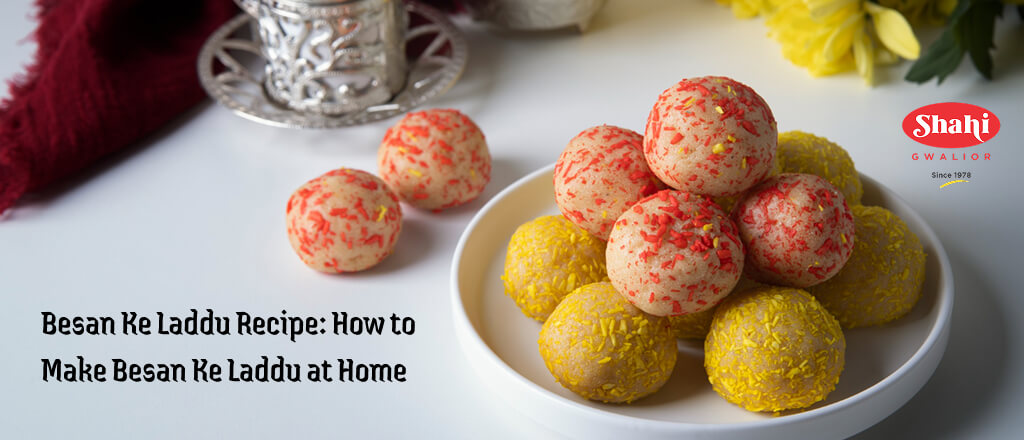
What Is Besan Ke Laddu?
Besan ke laddu is a traditional Indian sweet made using roasted gram flour, ghee, and sugar. The mixture is slowly roasted until it develops a rich aroma and a deep golden color. Once sweetened and shaped into small round balls, it becomes a soft and flavorful dessert that is enjoyed across many Indian households.
This sweet has been prepared in homes for generations. It is often made during festivals, family gatherings, and special occasions. The simple ingredients and comforting taste make besan laddu one of the most recognizable homemade Indian sweets.
Why Besan Laddu Is a Popular Homemade Sweet
Besan laddu continues to remain a favorite homemade sweet for many families. Its simplicity and rich taste make it suitable for both everyday treats and festive occasions. If you want to buy readymade besan laddus, click here.
- Common festive sweet in India
Besan laddu is commonly prepared during festivals such as Diwali, Ganesh Chaturthi, and other celebrations. Many families include it in their traditional festive sweets.
- Easy to prepare at home
The recipe is simple and does not require complicated techniques. With patience during roasting, anyone can prepare these laddus in a home kitchen.
- Requires simple ingredients
The basic recipe uses ingredients that are commonly found in most Indian kitchens. Gram flour, ghee, sugar, and a little cardamom are enough to make this sweet.
- Loved for its rich flavor and texture
Slow roasting gives besan laddus their distinct nutty flavor. The ghee adds richness, while the sugar balances the taste. The result is a soft laddu with a smooth texture and a warm, aromatic flavor.
Ingredients Needed for Besan Ke Laddu
Making besan ke laddu requires only a few basic ingredients that are commonly found in Indian kitchens. Each ingredient plays an important role in developing the taste, texture, and aroma of the laddus.
- Besan (Gram Flour)
Besan is the main ingredient used to prepare these laddus. It is made from ground chickpeas and gives the sweet its base texture. When roasted slowly, besan develops a nutty aroma and rich flavor.
- Ghee
Ghee is added while roasting the besan. It enhances the flavor and helps the mixture become smooth. Ghee also helps bind the mixture so the laddus can be shaped easily.
- Powdered Sugar
Powdered sugar adds sweetness to the laddus. It mixes evenly with the roasted besan, creating a smooth texture. The sugar is usually added after the mixture cools slightly.
- Cardamom Powder
Cardamom powder provides a light aromatic flavor. Even a small amount adds warmth and fragrance to the laddus. It complements the roasted besan and ghee.
- Chopped Dry Fruits
Dry fruits are often added to improve texture and taste. They introduce a mild crunch and make the laddus more flavorful. They are usually mixed into the warm mixture before shaping.
Optional Ingredients
While not used traditional, here are some dry fruits that make your besan laddus tastier.
- Pistachios
Chopped pistachios can be added for extra flavor and color. They are often used as a garnish on top of the laddus.
- Almonds
Almonds provide a firm crunch and a slightly nutty taste. Finely chopped almonds blend well with the besan mixture.
- Raisins
Raisins add a natural sweetness and soft texture. They balance the nutty flavor of roasted besan.
Preparation Time and Serving Size
Before starting the recipe, it is helpful to know the approximate preparation time and quantity this recipe yields. Besan ke laddu is a simple sweet that does not require complicated steps, but roasting the flour patiently is important for the best flavor and texture.
| No. | Details | Information |
| 1 | Preparation Time | 10 minutes |
| 2 | Cooking Time | 25 minutes |
| 3 | Total Time | 40 minutes |
| 4 | Difficulty Level | Easy |
Step-by-Step Besan Ke Laddu Recipe
Making besan ke laddu at home is a simple process, but it requires patience while roasting the gram flour. Proper roasting brings out the nutty aroma and improves the texture of the laddus. Once the ingredients are mixed correctly, the mixture can easily be shaped into soft, round laddus.
Ingredients
Gram Flour: 2 cups (coarse gram flour is better)
Ghee: 1/2 cup (more if needed)
Powdered Sugar: 1 cup (ground)
Cardamom Powder: 1/2 tsp
Step 1 – Roast the Besan
Start by adding gram flour to a heavy-bottom pan. Roast it on a low flame while stirring continuously. After several minutes, the flour will begin to release a nutty aroma and turn slightly golden.
Step 2 – Add Ghee
Gradually add ghee to the roasted besan. Continue stirring so the mixture cooks evenly. The besan will slowly become smoother and start forming a slightly thick mixture.
Step 3 – Add Flavoring Ingredients
Once the besan is properly roasted, add cardamom powder and chopped dry fruits. Mix them evenly into the warm mixture. These ingredients add aroma and texture to the laddus.
Step 4 – Add Sugar
Remove the pan from heat and allow the mixture to cool slightly. Once it is warm but not hot, add powdered sugar. Mix thoroughly so the sugar blends well with the roasted besan.
Step 5 – Shape the Laddus
Take small portions of the mixture while it is still warm. Gently roll them between your palms to form round laddus. Let them rest for a few minutes so they firm up before serving.
Tips to Make Perfect Besan Laddu
Making soft and flavorful besan laddus depends largely on proper roasting and the right balance of ingredients. Small details during the cooking process can affect the final taste and texture. Keeping a few simple tips in mind can help achieve better results.
- Roast besan on low flame
Always roast gram flour on a low flame. Slow roasting allows the flour to cook evenly and develop its characteristic nutty aroma. High heat can cause the flour to brown too quickly without cooking properly.
- Stir continuously to avoid burning
Besan can burn easily if left unattended. Continuous stirring ensures the flour roasts evenly and prevents it from sticking to the pan. This also helps maintain a smooth texture.
- Use fresh ghee for better flavor
Fresh ghee enhances the aroma and richness of the laddus. It blends well with the roasted besan and improves the overall taste. Good-quality ghee also helps the mixture bind properly.
- Let mixture cool slightly before adding sugar
Adding sugar when the mixture is very hot can affect the texture. Allow the roasted besan to cool slightly before mixing in powdered sugar. This helps the sugar combine evenly without melting too quickly.
- Shape laddus while mixture is warm
The mixture should still be warm when shaping the laddus. Warm mixture holds together better and makes it easier to roll smooth laddus. If the mixture cools completely, shaping can become difficult and if its too hot, you might burn your hand.
Common Mistakes to Avoid
While making besan ke laddu is simple, beginners may face a few common issues during the process. These small mistakes can affect the taste, texture, or shape of the laddus. Being aware of them can help ensure better results.
- Under-roasting besan
If the gram flour isn’t roasted properly, the laddus could taste raw and slightly bitter. The flour needs enough time on low heat to develop its aroma and flavor. Proper roasting will improve the texture of the final laddus.
- Using too much ghee
Adding excessive ghee can make the mixture too greasy and difficult to shape. The laddus may not hold their form well. It is best to add ghee gradually and only as much as needed.
- Adding sugar when mixture is hot
Powdered sugar should not be added to very hot besan. High heat can cause the sugar to melt and change the consistency of the mixture. Allow the mixture to cool slightly before mixing it in.
- Not mixing properly
If the ingredients are not mixed evenly, the laddus may have uneven sweetness or texture. Proper mixing ensures the sugar, ghee, and flavoring ingredients combine well with the roasted besan.
- Overheating the mixture
Cooking the besan for too long or on high heat can burn the flour. This may give the laddus a dark color and unpleasant taste. Maintaining a low flame and stirring regularly helps prevent this problem.
Popular Variations of Besan Laddu
Besan laddu can be easily customized by adding different ingredients or changing the sweetener. These variations slightly change the taste and texture while keeping the basic recipe the same. Many households prepare these versions depending on personal preference.
1. Dry Fruit Besan Laddu
This variation includes a mix of chopped dry fruits such as almonds, pistachios, and cashews. The nuts add a pleasant crunch and enhance the overall flavor. It also makes the laddus richer and more festive.
2. Jaggery Besan Laddu
In this version, jaggery is used instead of powdered sugar. Jaggery gives the laddus a deeper sweetness and a slightly earthy flavor. Many people prefer this option as a more natural alternative to refined sugar.
3. Coconut Besan Laddu
Grated coconut is added to the besan mixture to create a different texture and taste. It gives the laddus a mild coconut flavor and a slightly softer bite. This variation is often enjoyed by those who like coconut-based sweets.
How to Store Besan Ke Laddu
Proper storage helps maintain the freshness and texture of besan ke laddu. Since these laddus are made with ghee and roasted gram flour, they can stay fresh for several days when stored correctly. Following simple storage practices can help preserve their taste.
• Store in an airtight container
Place the laddus in a clean, airtight container once they have completely cooled. This prevents exposure to air and helps maintain their texture. It also keeps the flavor intact for a longer time.
• Keep in a cool dry place
Store the container in a cool and dry area of your kitchen. Avoid placing it near heat or direct sunlight. A stable room temperature helps the laddus stay fresh.
• Refrigerate for longer shelf life
If you want to store the laddus for a longer period, refrigeration is a good option. Keep them in a sealed container to prevent them from absorbing other odors. Allow them to reach room temperature before serving.
• Avoid moisture exposure
Moisture can affect the texture and quality of besan laddus. Always use a dry spoon or clean hands while handling them. Keeping the container tightly closed helps prevent moisture from entering.
Serving Suggestions
Besan ke laddu can be enjoyed in several simple ways. These laddus are often served during celebrations, but they also work well as a small sweet treat during the day. Their rich taste makes them suitable for both festive occasions and casual serving.
• Serve during festivals like Diwali
Besan laddus are commonly prepared during festivals such as Diwali and other celebrations. They are often included in festive sweet platters and shared with family and friends.
• Pair with tea or milk
These laddus can also be enjoyed as a small snack with a cup of tea or a glass of warm milk. The rich flavor of roasted besan pairs well with simple beverages.
• Offer as homemade sweets for guests
Besan laddus are a popular homemade sweet to serve when guests visit. Their traditional taste and soft texture make them a comforting dessert after meals.
FAQs About Besan Ke Laddu Recipe
While the recipe for besan ke laddu is simple, many home cooks have a few common questions during the process. Understanding these small details can help improve the taste and texture of the laddus.
Q1. Why do besan laddus taste bitter?
Besan laddus can taste bitter if the gram flour is under-roasted or burnt during cooking. Roasting the flour slowly on low heat helps develop the right flavor and removes the raw taste.
Q2. Why are my besan laddus not binding?
Laddus may not bind properly if there is not enough ghee in the mixture or if the mixture has cooled completely. Shaping them while the mixture is still warm usually helps them hold their shape. Add in a little ghee or heat the mixture slightly so you can roll them easily.
Q3. Can I make besan laddu without ghee?
Ghee is traditionally used because it adds flavor and helps bind the mixture. Without ghee, the texture and taste will change, and the laddus may not form properly.
Q4. How long do besan laddus last?
When stored in an airtight container at room temperature, besan laddus usually stay fresh for about 1–2 weeks. Refrigeration can help extend their shelf life slightly.
Q5. Can I use jaggery instead of sugar?
Yes, jaggery can be used as an alternative to sugar. It gives the laddus a deeper flavor and a slightly darker color.
Key Takeaways
Besan ke laddu is a classic Indian sweet that can be prepared easily with a few simple ingredients. With careful roasting and proper mixing, you can achieve soft and flavorful laddus at home.
- Besan laddu is a traditional Indian sweet made with gram flour and ghee.
- Proper roasting of besan is essential for flavor.
- The recipe requires simple ingredients and minimal preparation.
- Several variations can be made using dry fruits or jaggery.
Shop Traditional Besan Laddu at Shahi Food
If you prefer ready-made sweets, you can also enjoy authentic besan laddus prepared using traditional methods. These laddus are made with quality ingredients and offer the same rich taste found in homemade versions. You can explore and order traditional besan laddus on Shahi Food.